
What is an ERP System?
Do you want to manage all the processes in your organization clearly? An ERP system helps you centrally organize your business processes. From financial administration to production and logistics, the system provides complete control. At Vasilok B.V., we personally explain how an ERP system works. This way, you can discover whether it is a good fit for your organization.
What does ERP mean
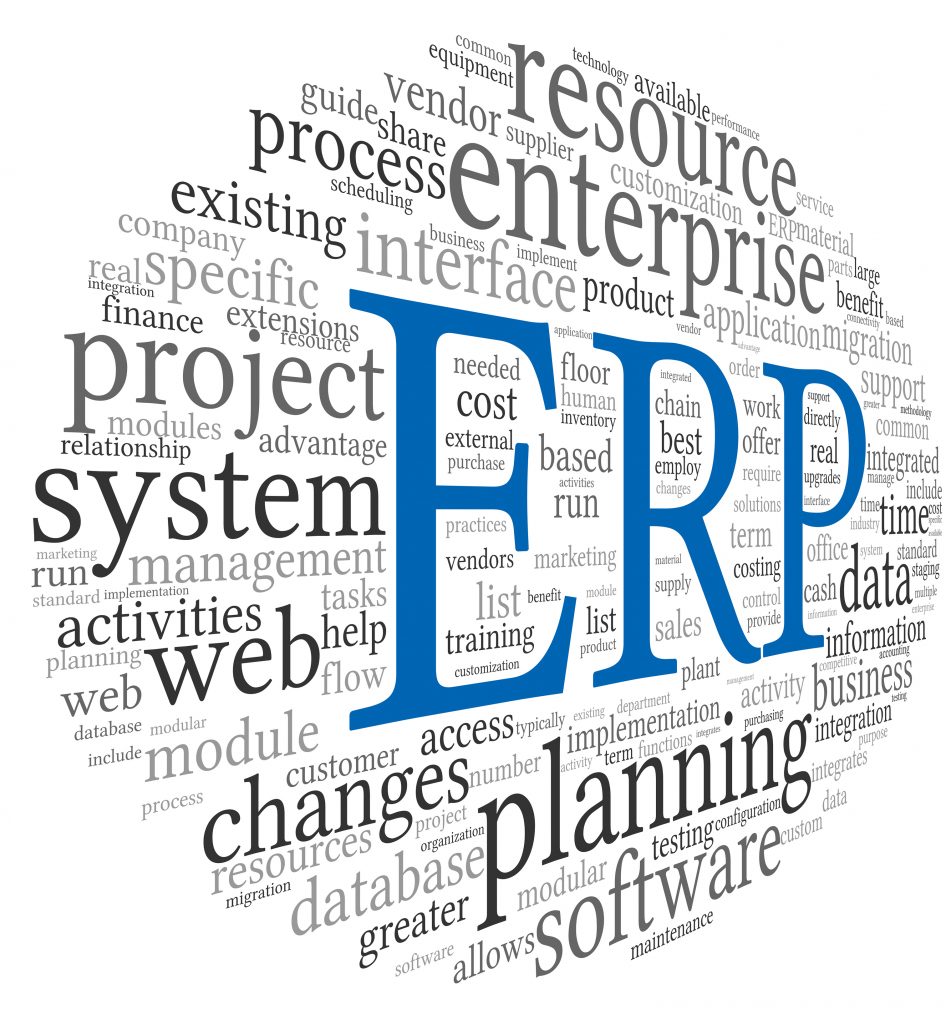
ERP stands for Enterprise Resource Planning. The system integrates all key business processes into a single platform. Inventory management, purchasing, production planning, and financial administration work seamlessly together. This enables more efficient operations and supports better decision-making. ERP helps companies save time, reduces errors, and significantly increases productivity.
Schedule a free consultation
with Rens van Vught or Lars Castelijns
Free consultation
OUR CORE VALUES
Personal
Flexibility
Clarity
Professionalism
Responsiblity
Wat does
an ERP System do
An ERP system provides a clear overview of all business activities. It automates processes so results can be achieved faster. With up-to-date data, you can make better decisions. By using a single, central source of information, the system reduces errors. Organizations function more smoothly and work smarter with an ERP system. Employees can generate reports more quickly, and departments can easily collaborate using the same data.

ERP System examples
ERP systems are used across various sectors.
ERP for logistics
Inventory, deliveries, and transportation are easily managed. You always know what is available and when goods will arrive. Planning becomes easier, and delivery times remain reliable.
ERP for production
Manufacturing companies use ERP systems for planning and quality management. The system helps reduce waste and optimize processes. Raw materials are used more efficiently, and production costs are reduced.
ERP for administration
Accounting, invoicing, and personnel administration are combined in a single system. This saves time and reduces the risk of errors. Financial reports are generated faster and more reliably.
Benefits
of an ERP System
An ERP system offers many benefits for companies, including:
- More efficient work through automated processes
- Better collaboration between different departments
- Up-to-date information for well-informed decisions
- Scalability as the company grows
- Faster reporting for immediate insight into results
- Reduced risk of human error in daily tasks
Disadvantages
of an ERP System
An ERP system also has its drawbacks. Implementation takes time and requires investment. Employees need training to use the system properly. Some systems are complex and require ongoing maintenance. Vasilok helps companies overcome these challenges, ensuring that the benefits always outweigh the drawbacks. Choosing the right system helps prevent many long-term issues.
What does
an ERP System cost?
The cost of an ERP system varies per organization. It depends on the number of users and departments. Desired functionality and any required customizations also influence the price. Implementation and maintenance costs play a role as well. A good ERP solution often pays for itself quickly through increased efficiency and better decision-making. Investing in an ERP system can therefore be financially attractive.
From ERP system
to Microsoft Dynamics 365
Many companies are switching to Microsoft Dynamics 365 Business Central. This modern ERP system offers flexibility and cloud-based capabilities. It integrates easily with other software solutions. At Vasilok, we guide you step by step, from analysis to implementation, ensuring your organization benefits quickly. The system supports growth and helps future-proof your organization.
Ready for
a complete overview?
An ERP system provides control and transparency across your business. It helps streamline processes and improve decision-making. Contact Vasilok today and discover how an ERP system can help your organization grow and strengthen. Start with a free consultation and experience the benefits immediately.
Schedule a no-obligation consultation
with Rens van Vught or Lars Castelijns
contact us
Microsoft Business Central
for you
Want your projects to run smoothly and always be delivered on time? With Dynamics 365 Business Central, you’ll stay on top of your planning, budgets, and progress. Create, manage, and track projects effortlessly with timesheets and smart cost calculations, so you’ll never encounter surprises.
No more separate spreadsheets or fragmented data. Business Central brings all your business data together in one secure system, updated in real time. This way, you always have the most up-to-date information and make better decisions, faster, and with greater certainty.
Business Central is more than just an ERP solution. With built-in CRM capabilities, you gain deeper insight into your customers, easily manage interactions, and discover new sales opportunities. This helps you strengthen relationships and serve your customers even better.
Never run out of stock or hold unnecessary inventory again. Business Central helps you manage your supply chain more efficiently with advanced analytics and automated purchase orders. Based on sales forecasts and anticipated shortages, you’ll always receive the right inventory on time.
Whether you’re working in the office, at home, or on the go, Business Central gives you access to your company data anytime, anywhere. The cloud-based solution grows with your business, so you don’t have to worry about scalability or technical limitations.
As a business owner, you want control over your costs. With Business Central, you benefit from a smart cloud solution without the need for large investments in IT infrastructure, expensive updates, or maintenance. You only pay for what you need and always stay up-to-date.